


Unlocking Communication: The Power of Baby Sign for Infant Development
Your baby may not be talking yet, but communication can still thrive! Imagine understanding your little one's needs and feelings through simple gestures. Baby sign offers this magic, bridging the gap before speech arrives. You'll find this early communication boosts your infant's development and brings a new level of connection. Ready to explore how signing can enhance your parenting journey? Let's delve into the benefits and bring more smiles to your daily interactions. Learn more about communicating with your baby here.
Benefits of Baby Sign
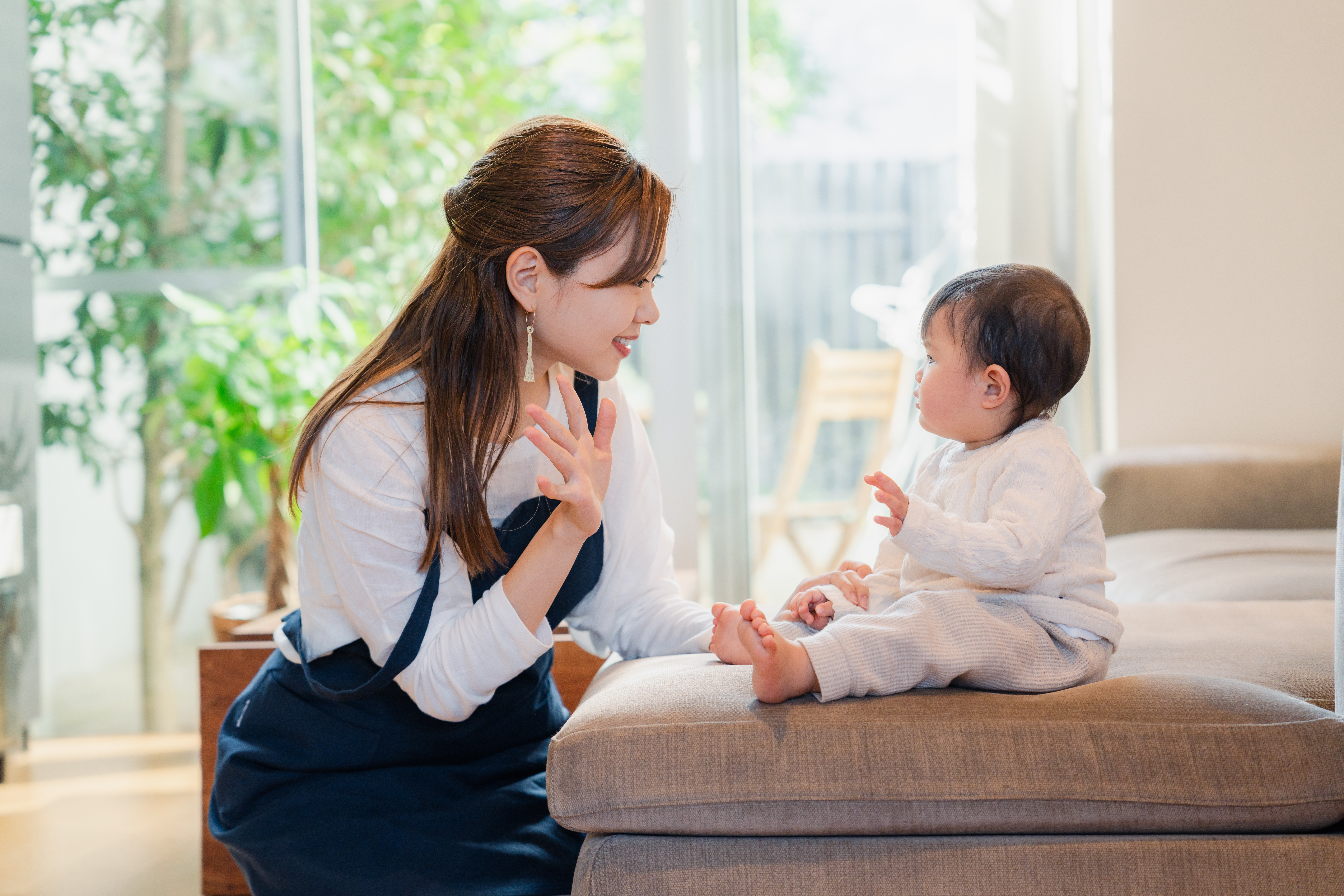
Baby sign can significantly enhance communication between parents and their infants while supporting overall development. Let's explore how it achieves these benefits.
Enhancing Early Communication
Early communication with your infant can be a rewarding experience, even before they start speaking. Baby sign allows babies to express basic needs and feelings through simple gestures. This form of communication helps reduce frustration, as babies can convey messages without crying.
Studies have shown that sign language can accelerate speech development. By associating gestures with words, infants can grasp language structures more quickly. This can lead to earlier verbal communication milestones.
Parents often notice stronger bonds with their children when using signs. The shared understanding through gestures promotes a sense of security and trust. This foundation can enhance the parent-child relationship, making daily interactions more joyful. Learn more about communication and language development here. 😊
Supporting Infant Development
Signing isn't just about communication; it also supports infant development. By incorporating hand movements, babies develop fine motor skills. These skills are critical as they prepare for tasks like writing and dressing themselves.
Cognitive development is another area where signing shines. Infants begin to associate signs with concepts, enhancing their understanding of the world. This mental connection fosters problem-solving and critical thinking skills at an early age.
Emotional development is also supported through baby sign language. Babies who can communicate their needs and emotions experience less frustration. This improves their emotional regulation, leading to happier interactions. Overall, signing offers a holistic approach to nurturing a child's growth. Explore more about speech and language development here. 😊
Practical Tips for Parents
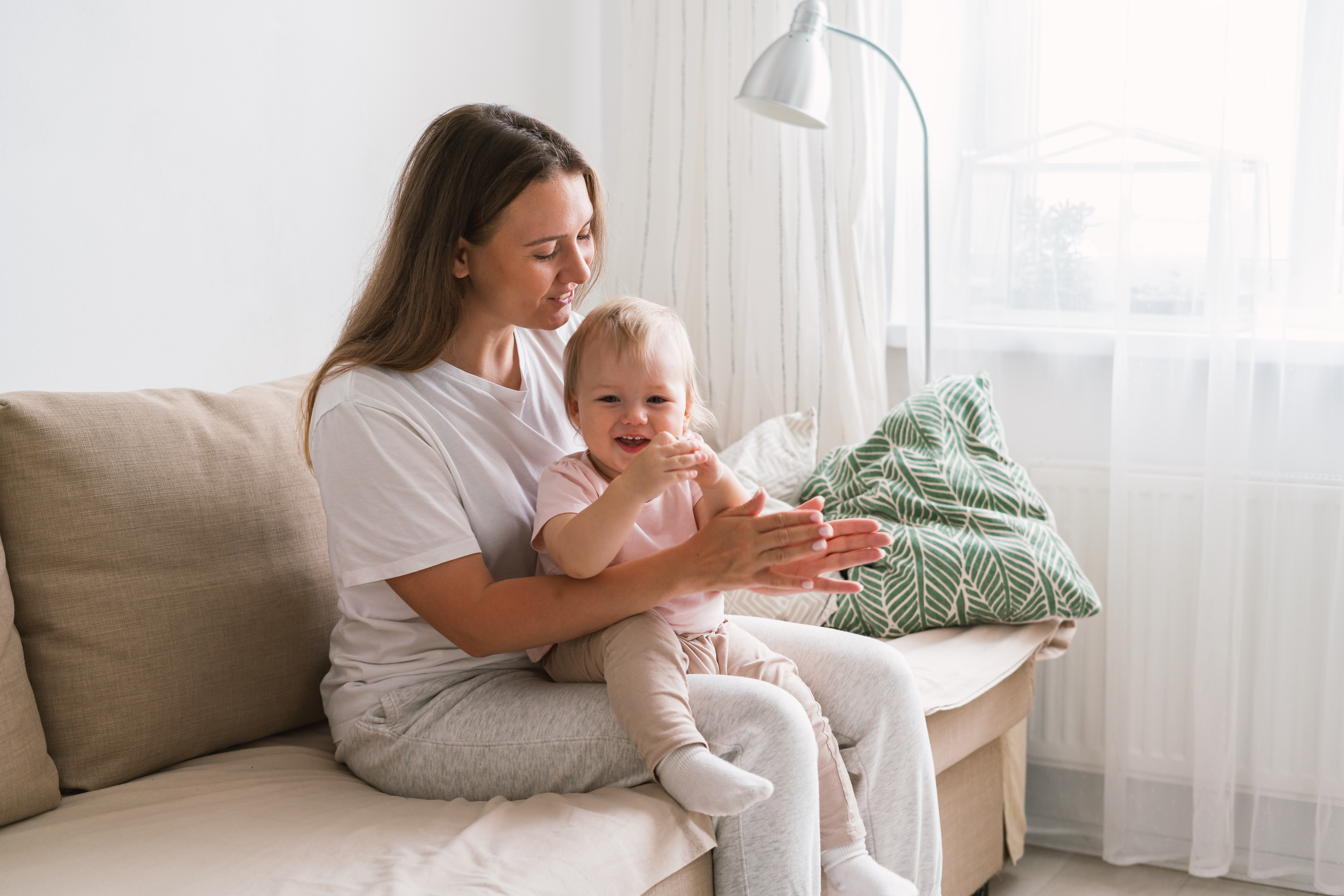
For parents eager to start baby sign, practical tips can ease the learning process. By choosing the right signs and integrating them into daily routines, communication with your baby becomes seamless.
Choosing Simple Signs
When starting with baby sign language, choosing simple signs that represent daily needs is key. Begin with gestures for words like "milk," "more," and "all done." These signs are easy for infants to understand and use.
Start by demonstrating the sign each time you say the word. Repetition will help your baby make the connection between the gesture and the word. Keep it consistent to avoid confusion.
As your baby becomes comfortable with these initial signs, gradually introduce new ones. Signs for emotions like "happy" or "sad" can enrich their expressive capabilities. Choose signs that are relevant to your baby's daily life to keep communication practical. 😊
Integrating Signs into Daily Routines
To make baby sign effective, integrate signs into daily routines. Consistent use of signs during regular activities helps solidify learning. Here’s how you can incorporate signing:
Mealtimes: Use signs for "eat," "more," and "all done" during feeding.
Bath time: Incorporate signs like "water" and "wash" to make bath time interactive.
Playtime: Use signs for toys and actions like "ball" and "play" to engage your baby.
Encouraging family members to use signs ensures consistency. The more your baby is exposed to signs, the quicker they will learn and use them. This approach turns everyday moments into learning opportunities, fostering a stronger communication bond. 😊
Join Our Community
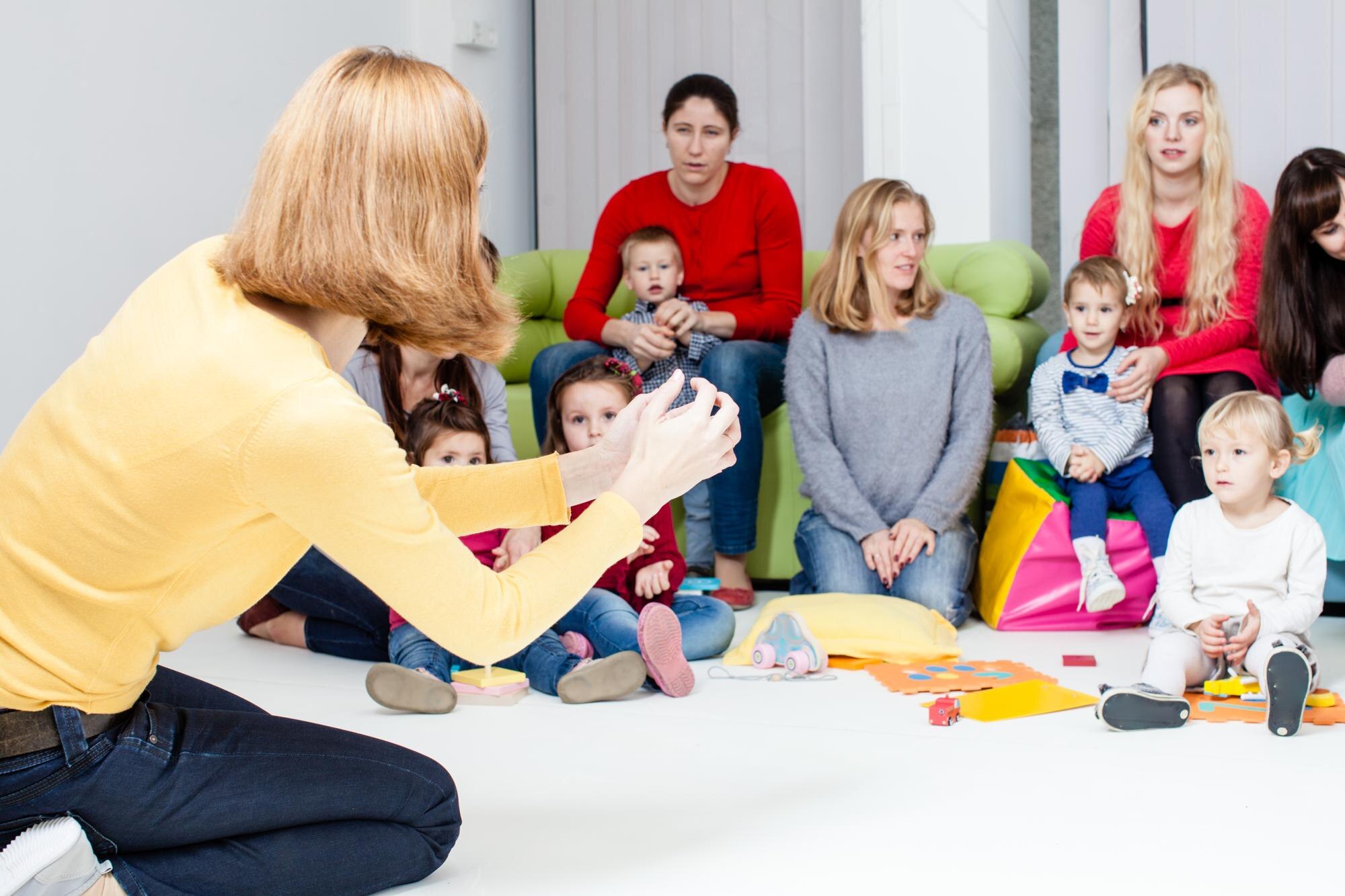
Joining a community can enhance your journey with baby sign language. By participating in classes and social activities, you can connect with others and enrich your experience.
Engaging Classes and Activities
Engage in classes that incorporates Baby Sign into fun activities like nursery rhymes and songs. These classes not only teach signs but also offer a chance to practice them in a supportive environment.
Instructors guide parents through a structured curriculum, ensuring you understand each sign. Through engaging activities, both you and your baby will enjoy learning. The interactive nature of classes makes it easier for infants to grasp new signs.
Alongside learning, you get to see how other parents incorporate signs into their routines. It’s an opportunity for shared learning and growth. Explore communication topics here. 😊
Building Connections with Other Parents
Building connections with other parents is an added benefit of joining a community. Sharing experiences and tips with others fosters a supportive network. This community can be a valuable resource, especially for new parents navigating early communication.
Attend meet-ups or online forums to discuss your experiences. Sharing challenges and successes can be reassuring. It’s comforting to know you’re not alone in your journey.
Through these connections, you might find lifelong friendships. Having a community that understands your challenges and achievements makes the parenting experience more fulfilling. 😊
Sign up for a free introduction session to experience the benefits of baby sign firsthand!